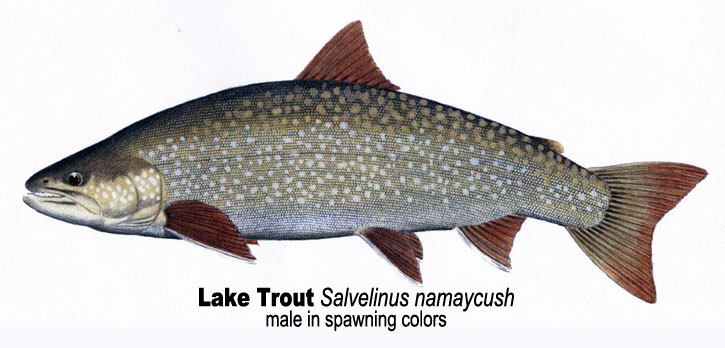
Following are pictures of 3 fish, you may or may not already know what type of fish these are, but if I were to ask the question "Which of these fish can fly?" Which would you choose? I think almost every college age student whether or not they know anything about fish would choose the one on the bottom that has fins shaped like bird wings. So does this mean that seeing the picture and me asking a question revealed prior knowledge you already had? If so how come if I ask the question which fish has the longest life span only people with knowledge on fish would know? I believe this is because much of our knowledge comes from taking observation and consciously as well as subconsciously piecing things together to solve problems. In this case we can guess that the fish with fins shaped like bird wings would be the one capable of flying, why? Because we can take prior observations of flying things such as birds, bats, airplanes, and apply the concept of wings to the fish. This is because of prior observations and the ability to reason, not some built in knowledge that comes from the world of forms. (I am aware of the fact that many of us may already have some knowledge of these fish, the point is that even if we had never seen/heard of these 3 types of fish we could most likely still answer question 1)


No comments:
Post a Comment